What to Wear for Corporate Team Photos: A Photographer's Checklist
Solid mid-tone colours, structured layers, no logos, no fresh haircuts, and one shared rule for the whole team — the outfit checklist I send every corporate client before a shoot.
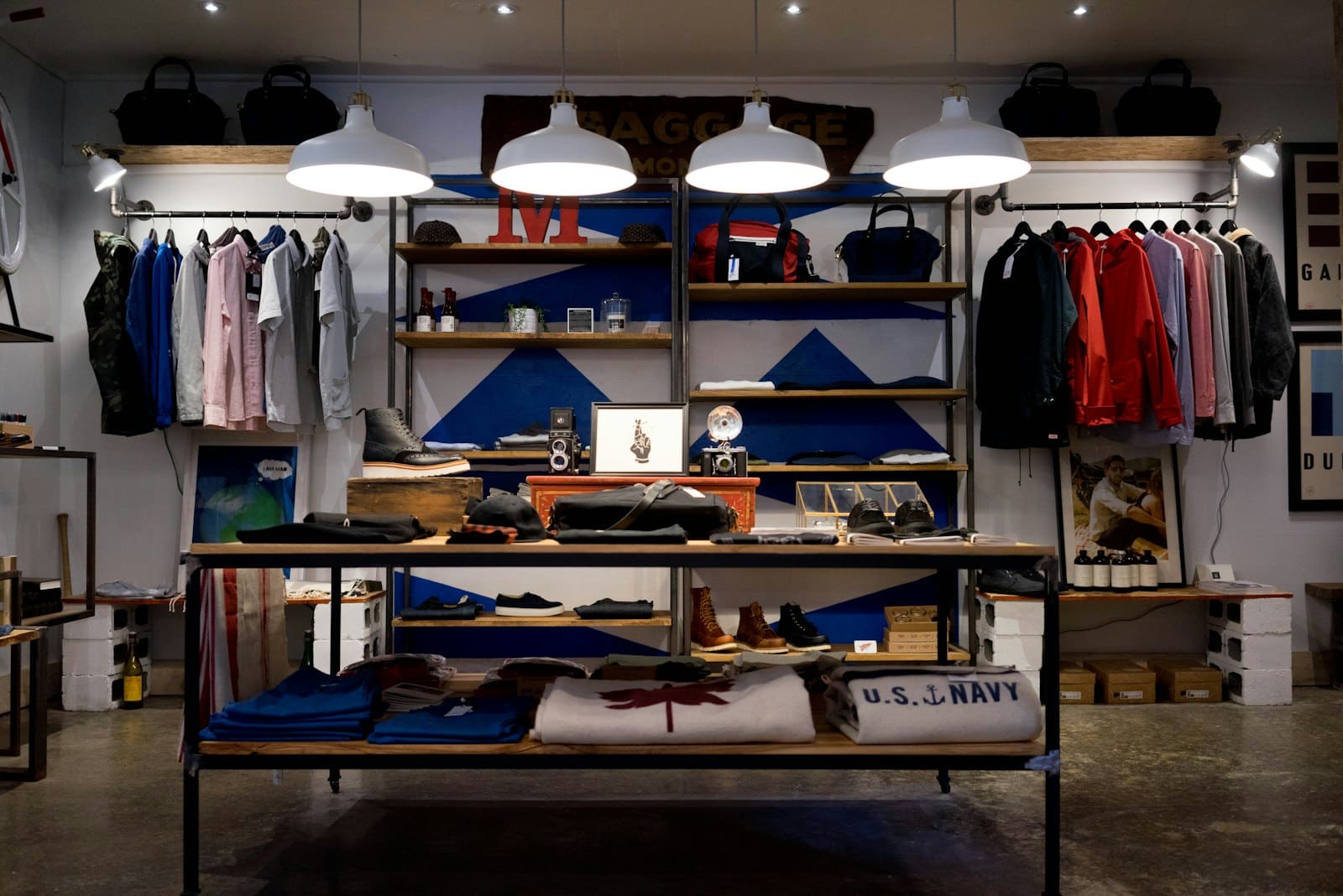
The short version of the brief I send before every corporate shoot: solid mid-tone colours, structured fabrics, no logos, no brand-new haircuts, and one shared colour rule for the whole team. Follow those five lines and the retouching stays light, the team grid looks coherent, and nobody quietly hates their photo for the next three years.
Below is the long version — the checklist itself, plus the reasons, because people follow rules better when they know what the camera actually does to clothing.
Colours: mid-tones win, extremes lose
Cameras and skin tones both live happiest in the middle of the brightness range.
- Best on camera: navy, forest green, burgundy, charcoal, teal, mustard, dusty blue, mid-grey. Rich but not loud.
- Risky: pure white (blows out and steals attention), pure black (swallows all fabric detail and reads as a silhouette), neon anything (reflects colour onto the jawline — a neon-green collar gives you a faintly seasick chin in every frame).
- Patterns: fine stripes and tight checks can shimmer on screens (moiré). Big bold patterns date the photo fast. Solid colours stay current for years — which matters, because corporate photos get used for years.
If the company brand has a strong colour, use it as an accent across the team — a scarf, a blouse, a pocket square — rather than dressing everyone in it like a sports squad.
Fabrics and fit: structure photographs better than comfort
A blazer or structured jacket gives shoulders a clean line and survives an hour of sitting, standing, and walking between frames. Thin jersey shows every fold; linen creases the moment you sit down for the first setup. The practical rule: if it wrinkles in a 20-minute car ride, it will wrinkle in the photo.
Fit beats fashion. Slightly tailored beats slightly oversized on camera every single time, because the camera reads loose fabric as extra volume. If someone's jacket pulls when they cross their arms — and corporate poses involve a lot of crossed arms — one size up with the sleeves shortened looks better than the "correct" size.
The team coordination rule
The goal is coordinated, not uniform. The simplest system that works, and the one I send to clients:
- Pick a palette of three or four allowed colour families (say: navy, grey, burgundy, cream).
- Everyone chooses their own outfit inside that palette.
- Ban only three things: pure white tops, pure black tops, and logos.
This produces a team grid that looks intentional while everyone still looks like themselves. The alternative — "everyone wear white shirts" — produces a dental conference.
Grooming: the 48-hour rules
- Haircuts: not fresher than 3-4 days before the shoot. A just-cut hairline looks sharp in the mirror and severe on camera; it needs a few days to settle.
- Shaving: the morning of, or a deliberately maintained beard. Two-day stubble photographs as "tired", not "casual".
- Makeup: normal day-level, matte over glow. Shine is the enemy on camera — I powder-blot more foreheads than I straighten ties.
- Glasses: wear them if you wear them. Anti-reflective coating helps; tilting the temples slightly upward kills most reflections, and that part is my job, not yours.
What to bring, even if you think you won't need it
- A second top in a different colour. If two people clash or someone's choice fights the backdrop, a thirty-second change fixes it.
- The jacket, even in summer. Frames with and without read very differently, and having both doubles the usable variety from the same ten minutes.
- A lint roller lives in my bag, but a second one in the office never hurt anyone with a navy blazer and a white cat.
The mistakes that cost real retouching money
After years of corporate shoots in Vienna, the same five issues cause 90% of the correction work:
- Creased linen and thin jersey (see fabrics, above).
- Logos on clothing — they date instantly and often have to be cloned out frame by frame.
- Pure white shirts under strong key light — recoverable, but never as clean as a light-blue one straight out of camera.
- Lanyards and smartwatches nobody remembered to take off.
- A team that never agreed on a palette, requiring colour grading gymnastics to make the grid sit together.
Every one of these is free to avoid and billable to fix.
The one-paragraph brief to forward to your team
Wear a solid mid-tone colour you feel confident in (navy, green, burgundy, grey — not pure white, not pure black, no logos, no fine stripes). Structured fabrics over thin or creasable ones; bring a jacket and one backup top. No haircut in the last 3 days. Glasses on if you normally wear them. You will be photographed for about ten minutes.
That paragraph, sent a week before the shoot, does more for the final result than any lens choice I make on the day.
If your team has a photo day coming up in Vienna — or needs one — my corporate work is in the portfolio, and the full process for team days is described in Business Headshots in Vienna: Studio vs On-Location. For dates and a quote, drop me a line.